Solar for home
 Solar for business
 Battery storage
 EV charging
 Solar panel calculator

 Fit Care
 Installation maintenance
 Panel cleaning
 case studies
 customer reviews
 Helpful information


Quick answer: will energy bills go up in January 2027?
Yes, very likely. Energy consultancy Cornwall Insight forecasts that Ofgem's energy price cap will rise by about 26% on 1 January 2027. That would take a typical dual-fuel household's bill to £2,166 a year, which is £443 more than now and the highest level since 2023. Ofgem will confirm the official figure on Wednesday 25 November 2026.
Key takeaways
- A typical household's energy bill is forecast to rise from about £1,723 to £2,166 a year from January.
- The price cap affects millions of homes in England, Scotland and Wales, and it changes every three months.
- Government support this winter includes a £100 payment for homes in council tax bands A to D in England.
- Generating and storing your own electricity with solar panels and a home battery reduces how much energy you buy at price-cap rates.
What is the energy price cap?
The energy price cap is the maximum amount suppliers can charge per unit of energy, plus a daily standing charge, for households on a standard variable (default) tariff in England, Scotland and Wales. It is set by the energy regulator Ofgem and reviewed every three months.
The cap limits unit rates and standing charges, not your total bill. The headline figure (£2,166 in January's forecast) is what a household using a typical amount of gas and electricity would pay over a year. If you use more energy, you pay more.
If you're on a fixed tariff, the January change won't affect you until your fix ends. Many fixed deals are priced with the cap in mind, though, so new fixes usually rise when the cap goes up.
How much will energy bills rise in January 2027?
| Current cap (Oct–Dec 2026) |
Forecast cap (Jan–Mar 2027) |
Change | |
|---|---|---|---|
| Typical dual-fuel bill, per year | ~£1,723 | £2,166 | +£443 (+26%) |
Source: Cornwall Insight forecast, November 2026. Typical dual-fuel household paying by direct debit.
The forecast has risen sharply this autumn. In September, Cornwall Insight was predicting a 16% rise to £1,999. Its latest forecast is much higher, and the company has a good track record of predicting where the cap will land.
Why are energy prices going up?
The main reason is higher wholesale gas prices. Ofgem sets each cap from what suppliers paid for energy on the wholesale market over an earlier observation window. For January, that window ran from mid-August to 17 November 2026.
Tension in global energy markets, including the conflict involving Iran, and low levels of gas in European storage this autumn have pushed wholesale prices up. Gas still sets the price of much of Britain's electricity, so when gas prices rise, electricity prices rise too.
When will the January price cap be confirmed?
Ofgem will announce the official January–March 2027 price cap on Wednesday 25 November 2026. The new rates take effect on 1 January 2027. You don't need to do anything for the new cap to apply. If you're on a standard variable tariff, your supplier will change your rates automatically.
What help is available with winter energy bills?
- £100 winter payment: the government has promised £100 for households in council tax bands A to D in England to help with winter energy costs.
- VAT removed from energy bills: VAT was removed from household energy bills for six months from 1 October 2026, saving a typical household about £45 a year. This is already included in the January forecast. It is due to end in spring, so bills could rise again after that.
- Your supplier: if you're struggling to pay, contact your supplier early. Suppliers must offer support such as payment plans.
How can solar panels and a battery protect you from rising energy prices?
Every unit of electricity you generate and use yourself is a unit you don't buy from the grid at price-cap rates. The higher the cap goes, the more each unit of solar power is worth to you.
Here's how a solar and battery system cuts your exposure to price rises:
- Solar panels generate free electricity during the day. Your home uses it first, before buying anything from the grid.
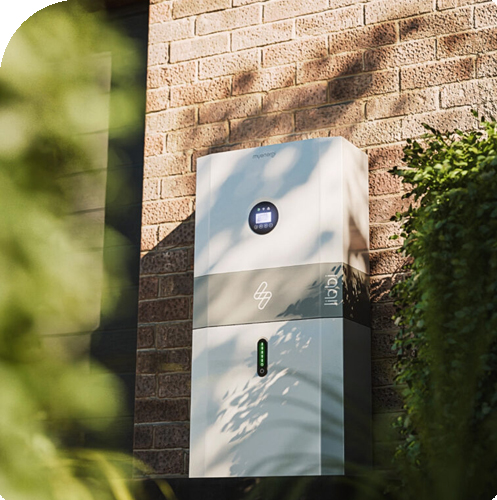
- A home battery stores spare solar power so you can use it in the evening, when demand and prices are highest, rather than exporting it cheaply.
- In winter, a battery can charge from the grid overnight on a cheap off-peak tariff, so you avoid peak-rate electricity even on dull days.
- You get paid for surplus electricity you export to the grid through the Smart Export Guarantee (SEG).
At Fit Solar we design and install systems around how your household actually uses energy. We work with leading battery brands including Fox ESS, Solis, Pylontech, SolaX, Sigenergy, Dyness, myenergi and Sunsynk.
Is winter a good time to install solar panels?
Yes. Solar panels generate less in winter, but installing now means your system is ready for the long, bright days of spring and summer, when it produces the most. A battery starts saving you money straight away by letting you charge overnight on a cheaper tariff and avoid peak-rate electricity.
Systems typically take 4 weeks from survey to switch-on, so planning now means you could be generating your own power before the spring price cap.
Other quick ways to cut your energy bills this winter
- Check whether a fixed tariff or a smart time-of-use tariff could cost less than the price cap.
- Run washing machines, dishwashers and tumble dryers off-peak if you're on a time-of-use tariff.
- Turn your boiler's flow temperature down to around 60°C, as long as your hot water stays safe and your home stays warm.
- Submit regular meter readings, or get a smart meter, so you're billed for what you use.
Frequently asked questions
Cornwall Insight forecasts £2,166 a year for a typical dual-fuel household, up 26% (£443) from the current cap. Ofgem confirms the official figure on 25 November 2026.
The new cap applies from 1 January 2027 and runs until 31 March 2027.
Not until your fixed deal ends. If you then move onto a standard variable tariff, the price cap applies.
The government has promised £100 to households in council tax bands A to D in England.
Yes, but less than in summer. Solar panels still generate on bright winter days. Paired with a battery, you can also charge overnight on a cheap off-peak tariff and avoid peak-rate electricity, which adds to your savings all year round.
Get a free solar and battery quote
Want to protect your home from the next price rise? Book a free, no-obligation survey with Fit Solar
Sources
- Cornwall Insight, January 2027 price cap forecast (November 2026)
- Ofgem, energy price cap: ofgem.gov.uk/energy-price-cap