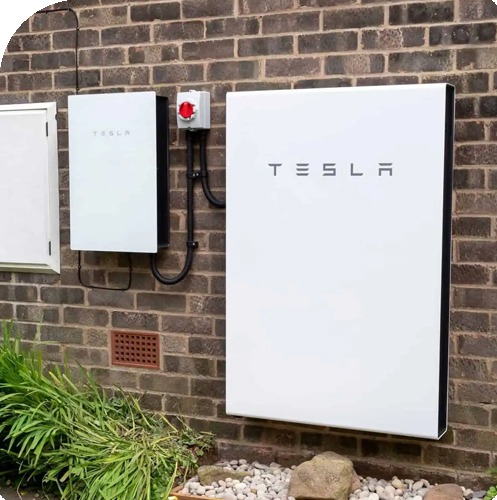
As more UK homeowners embrace solar PV systems, the conversation quickly turns to energy storage. Installing a solar battery allows you to capture cheap, self-generated electricity during the day and use it when rates are high—or when the sun sets.
However, a critical question arises early in the process: should your solar battery be installed in your garage or externally?
This decision isn’t just about convenience; it has significant implications for system performance, lifespan, compliance with UK Building Regulations, and ultimately, your return on investment. Here, we weigh the pros and cons of installing your solar storage system in your garage versus outside, specifically addressing the unique climate and rules in the UK.
The Indoor Option: Installing a Solar Battery in the Garage
The garage is often the most popular choice for UK battery installation, provided it is attached to the main dwelling.
Advantages of Garage Installation
- Optimal Temperature Stability: Lithium-ion batteries perform best and have the longest lifespan when kept within a stable, moderate temperature range (typically around to ). A garage, even unheated, offers greater insulation and protection from freezing winter temperatures and extreme summer heat spikes than an exterior wall. This directly boosts efficiency and longevity.
- Security and Aesthetics: A battery unit is a valuable piece of equipment. Placing it securely within the garage protects it from vandalism, theft, and harsh weather. It also keeps the external appearance of your home cleaner, with the unit neatly tucked away.
- Easier Maintenance Access: Should your installer need to perform checks, diagnostics, or maintenance, accessing a unit inside the garage is simpler and less dependent on the weather.
Key UK Regulations: Fire Safety (Part B)
The major challenge for garage installation in the UK relates to Part B (Fire Safety) of the Building Regulations. If the battery is installed in a garage attached to your house, it must not compromise the fire integrity of the building.
Installers must ensure the battery is:
- Installed in an appropriate, secure enclosure (often a fire-resistant cabinet).
- Located away from ignition sources.
- Installed with adequate ventilation (if required by the specific battery type) to prevent the build-up of heat or gases.
Crucially, your MCS-certified installer must confirm that the placement complies with the latest fire safety guidance to legally certify the installation.
The Outdoor Option: Installing a Solar Battery Externally
External wall mounting or ground installation is a perfectly viable alternative, especially if garage space is limited.
Advantages of Outside Installation
- Saves Internal Space: The most obvious benefit is freeing up valuable space within your garage or utility room.
- Reduced Fire Risk Inside the Home: Placing the battery outside alleviates most concerns about fire safety regulations (Part B) within the main living structure.
- Dedicated Enclosures: Outdoor units are typically designed with an IP (Ingress Protection) rating, meaning they are purpose-built to resist rain, dust, and general UK weather conditions.
Disadvantages of Outside Installation (UK Specific)
- Weather and Efficiency Impact: While external cabinets are weather-proof, they are subject to ambient air temperature. During cold UK winters, batteries placed outside may suffer a temporary drop in performance (efficiency and maximum output capacity) as the internal temperature dips below optimal operating limits.
- Aesthetics: The unit and its necessary housing will be visible on an exterior wall, which some homeowners prefer to avoid.
- Security: Although units are secured, an external location poses a slightly higher security risk than a locked garage.
The FitSolar Recommendation
For the average UK home, the garage is generally the preferred location as it provides the most stable operating temperature for optimal performance and battery longevity, provided the fire safety regulations (Part B) can be met through approved mounting and enclosures.
However, modern, robust, IP-rated outdoor battery solutions are excellent alternatives, particularly if space is an absolute premium indoors or if the garage structure makes fire compliance difficult.
Take the Next Step
Choosing the right location requires a professional, site-specific assessment of your property, your battery model’s requirements, and the latest UK electrical and fire safety regulations.
Ready to find the perfect spot for your energy storage? Contact FitSolar today for a no-obligation site survey and a personalised installation plan that meets all UK standards.